
How to Reduce Kitchen Stress During Peak Hours and Improve Restaurant Efficiency
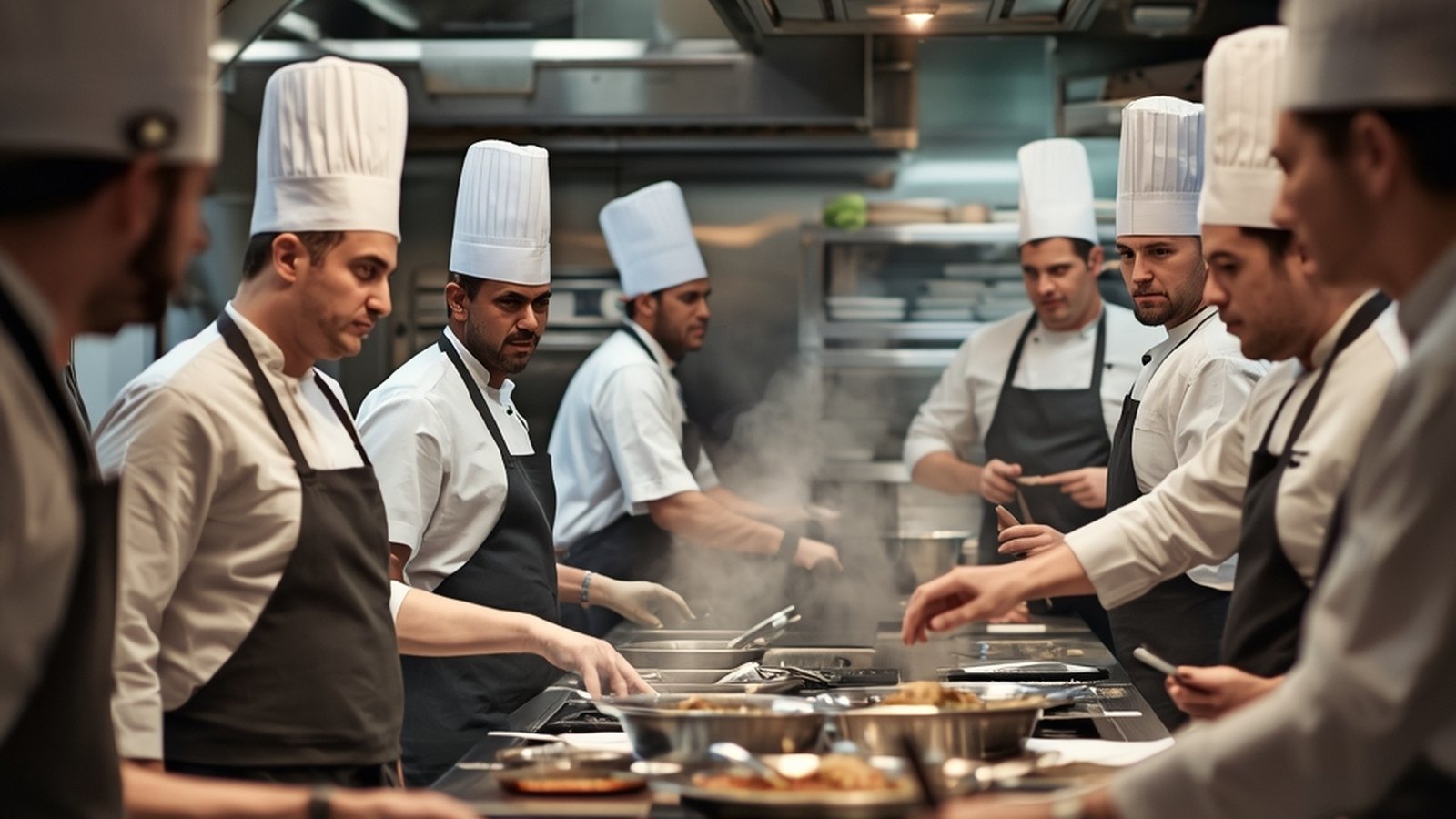
How to Control Kitchen Stress During Peak Hours
It’s 8:30 PM. Orders are flooding in. One station is behind. The team is under pressure.
Kitchen stress during peak hours is one of the biggest operational challenges in restaurant management.
This is where most restaurant kitchens lose control — not because of volume, but because of lack of systems
.
Every restaurant experiences peak hours. But while some kitchens operate smoothly under pressure, others fall into chaos, delays, and frustration.
Kitchen stress during peak hours is not caused by volume alone. It is caused by weak systems, poor preparation, and lack of operational clarity.
The good news is this: when proper kitchen management systems are in place, stress reduces, efficiency improves, and the entire team performs with confidence.
With over 25 years of experience in professional kitchen operations, I’ve seen how proper systems transform high-stress kitchens into calm, efficient teams
If you want to reduce kitchen stress during peak hours and improve your restaurant’s operational performance, the following strategies are essential.
1. Preparation Before Service Is the Foundation of a Stress-Free Kitchen
2. Clear Station Roles Improve Kitchen Workflow Efficiency
Peak hour success depends on pre-service preparation.
Professional kitchens focus on complete mise en place, backup planning, and station readiness before service begins.
Key actions include:
Pre-portion high-volume ingredients
Prepare backups of fast-moving items
Organize stations for easy access
Check all equipment in advance
Review reservations and expected covers
Preparation reduces panic, improves speed, and keeps the kitchen in control.
Confusion increases stress. Clarity builds speed.
Each team member must clearly understand:
Their assigned station
Their responsibilities
Their support role if volume increases
When responsibilities are clear, execution becomes faster and smoother.
Strong station discipline is one of the most effective ways to improve kitchen efficiency during busy hours.
3. Smart Menu Design Reduces Operational Pressure
4. Effective Kitchen Communication Prevents Service Breakdown
An overly complex menu slows down the kitchen and increases stress.
Efficient restaurants design menus that balance variety with operational practicality.
Effective menu strategies include:
Cross-utilizing ingredients
Limiting high-complexity dishes during peak hours
Standardizing preparation methods
Focusing on fast-executing, high-quality items
A well-designed menu improves speed, consistency, and team confidence.
Read more on Menu engineering which can help reduce operational pressure
Communication is critical during peak service.
Professional kitchens use clear, direct communication to maintain workflow.
This includes:
Calling out orders clearly
Confirming special requests immediately
Informing delays early
Supporting team members proactively
Good communication prevents mistakes and keeps service flowing smoothly.
5. Strong Leadership Reduces Team Stress and Improves Performance
6. Standard Systems Improve Restaurant Kitchen Management
Kitchen teams reflect their leadership.
Calm, confident leadership stabilizes the team and maintains control during peak pressure.
Effective kitchen leaders:
Stay calm under pressure
Prioritize orders strategically
Support weaker stations
Maintain clear direction
Leadership presence reduces stress across the entire kitchen.
Restaurants that rely on systems perform better than those relying only on individuals.
Essential systems include:
-
Standard plating guides
-
Prep checklists
-
Station setup protocols
Systems reduce decision-making stress and improve operational consistency.
7. Continuous Training Builds Peak Hour Confidence
8. Post-Service Review Helps Improve Future Performance
Kitchen efficiency improves when teams are trained for real-service conditions.
Regular training helps staff:
Work faster
Communicate effectively
Handle pressure professionally
Maintain consistency
A trained team performs with confidence, even during the busiest service.
Continuous improvement is key to long-term kitchen success.
After service, review:
Delays and bottlenecks
Preparation gaps
Station performance
Team coordination
Small improvements after each service lead to major long-term operational gains.
Conclusion: Strong Kitchen Systems Create Stress-Free Peak Hours
Reducing kitchen stress during peak hours is not about working harder—it is about working smarter.
Restaurants that focus on preparation, communication, leadership, and systems create kitchens that perform efficiently under pressure.
A well-managed kitchen delivers:
-
Faster service
-
Better food quality
-
Stronger team morale
-
Higher customer satisfaction
Operational excellence is built through systems and leadership.