Even the best restaurants can fail food safety inspections and food safety inspection failures are rarely caused by a single mistake. In most cases, they result from gaps in daily operations, staff habits, and system management. Below are the most common reasons restaurants fail inspections worldwide.
1. Poor Cleaning and Sanitation Practices
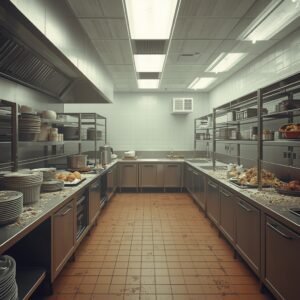
Inadequate cleaning is one of the top reasons restaurants fail food safety inspections. Inspectors often find dirty food preparation surfaces, grease build-up on equipment, unclean floors, and improperly sanitized utensils. When cleaning is done randomly or only before inspections, harmful bacteria can accumulate in hard-to-see areas such as cutting boards, drains, and equipment corners. Without a documented and consistent cleaning routine, maintaining hygiene standards becomes difficult and inconsistent.
Food Safety Inspection failled Kitchen
2. Improper Food Storage and Temperature Control
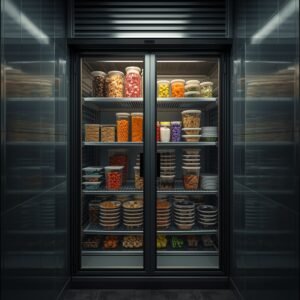
Raw and cooked food stored together
Food storage violations are another major inspection concern. Common issues include storing raw and cooked food together, incorrect refrigeration temperatures, uncovered food, and expired ingredients remaining in storage. Poor temperature control allows bacteria to multiply rapidly, increasing the risk of foodborne illness. Many restaurants fail inspections simply because storage procedures are not clearly defined, monitored, or regularly checked by staff. Check out my Templates on Chiller/Freezer Temperature checklist which followed worldwide
3. Lack of Staff Hygiene and Food Safety Training
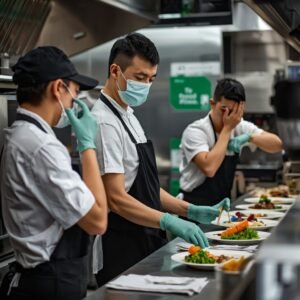
Even with clean facilities, poorly trained staff can cause serious food safety violations. Inspectors frequently observe improper handwashing, incorrect glove usage, handling food while ill, or lack of awareness about contamination risks.
When staff are not regularly trained or reminded about food safety standards, mistakes become routine. Clear hygiene policies, ongoing training, and supervision are essential to maintaining compliance during inspections. Basic Food Safety training must be given to all the food handlers and HACCP or PIC (Person-in-Charge in some countries) training to senior levels sould be mandatory.
Poor personal hygeine practice
4. Inconsistent Processes and Lack of Documentation
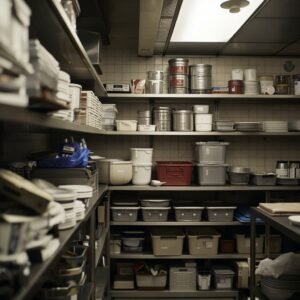
Inconsistent Processes / Lack of Systems
Many restaurants operate without written procedures for cleaning, storage, or hygiene. This leads to inconsistency between shifts and staff members. Inspectors often look for documented systems that prove food safety is being managed proactively, not reactively.
Without checklists, logs, or schedules, restaurants struggle to demonstrate compliance—even if some practices are followed informally. find my some of the templates on these checklist commonly used worlwide
How Cleaning Schedules Help Prevent Inspection Failures
A structured cleaning schedule brings discipline and consistency to daily operations. When tasks are clearly defined as daily, weekly, and monthly responsibilities, nothing is overlooked. Cleaning schedules also support better food storage practices, staff accountability, and inspection readiness.
By implementing a documented cleaning schedule, restaurants move from last-minute inspection preparation to continuous food safety compliance.