
🌍 Introduction: AI in Hospitality's new era
The hospitality industry is entering AI in Hospitality’s new era, where automation and smart technology are redefining how guests interact with hotels, resorts, and restaurants. Guests today demand personalized, seamless, and tech-driven experiences—while operators face staffing shortages and operational pressures.
This article explores how AI-powered tools and automated systems are transforming guest experiences, streamlining operations, and creating smarter, more sustainable hospitality businesses.
🤖 Why AI and Automation Are Essential in Hospitality
1. Rising Guest Expectations
By embracing AI in hospitality’s new era, hotels and resorts can deliver smarter, more personalized guest experiences while improving operational efficiency.
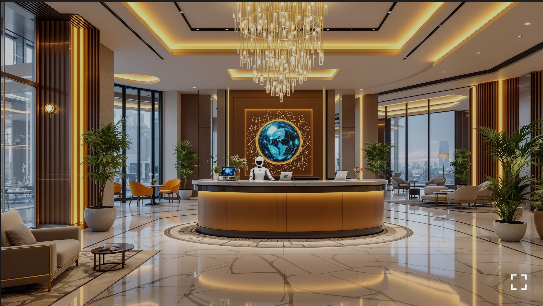
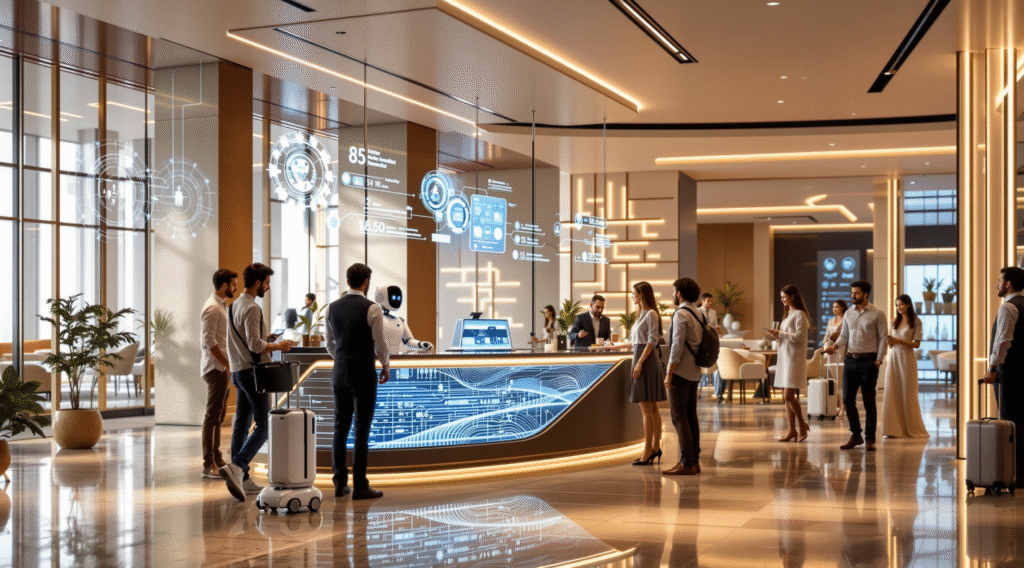
One of the biggest opportunities in new era is the use of automation to streamline check-in, room service, and concierge services, giving staff more time to focus on guest satisfaction
2. Staffing and Cost Challenges
Automation helps hotels manage labor shortages and cost efficiency, allowing human staff to focus on emotional, high-value guest interactions.
3. Data-Driven Decision Making
From predictive analytics to behavior tracking, AI turns guest data into insights that fuel better experiences and smarter business strategies.
4. Competitive Edge
Hotels adopting AI gain an advantage with personalized stays, smart rooms, and frictionless check-in experiences—key factors that drive guest loyalty.
🏨 Where AI and Automation Are Transforming the Guest Journey
🕓 Pre-Arrival and Booking
- AI-powered personalization: Machine learning algorithms recommend rooms, amenities, and upgrades based on guest history.
- Chatbots and virtual assistants: Provide 24/7 support and quick answers to pre-arrival queries.
- Dynamic pricing systems: Automatically adjust room rates based on demand and market trends.
🔑 Check-In and In-Stay Experience
- Contactless check-in/out: Mobile apps, digital keys, and facial recognition speed up arrivals.
- Smart hotel rooms: Guests can control lighting, temperature, and entertainment through voice or app commands.
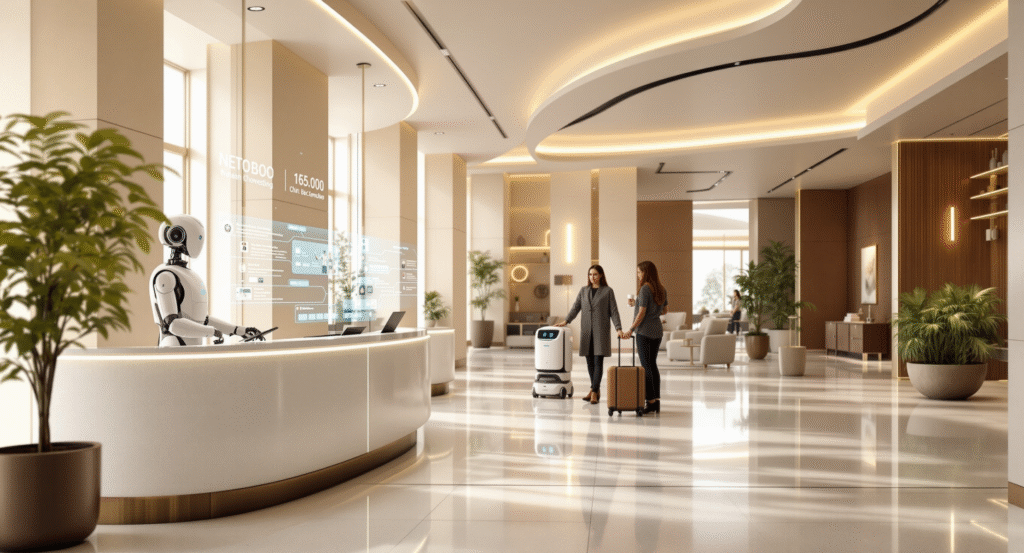
- Service robots: Deliver amenities or guide guests, improving efficiency and novelty.
- Multilingual AI assistants: Break down language barriers, ensuring a smoother experience for international travelers.
💬 Post-Stay and Loyalty
- AI-driven feedback analysis: Hotels can analyze reviews and surveys to improve future services.
- Personalized follow-up emails: Tailored offers encourage repeat bookings.
- Automated loyalty programs: Reward systems adapt to guest behaviors and preferences.
💡 Benefits of AI and Automation for Hospitality Businesses
For Guests
✅ Faster, frictionless check-ins
✅ Personalized experiences
✅ Multilingual, accessible support
✅ Consistency in service quality
For Hospitality Providers
✅ Reduced labor costs and improved efficiency
✅ Higher guest satisfaction and loyalty
✅ Data-backed decision making
✅ Scalable service quality across multiple properties
Example: Marriott International uses AI chatbots for instant guest support, while Hilton employs smart room technology to personalize in-room experiences—both improving guest satisfaction scores.
Challenges of Adopting AI in Hospitality
• Loss of human touch: Over-automation can make experiences feel impersonal.
• Data privacy concerns: Guest data must be handled securely and ethically.
• Integration complexity: New systems must work seamlessly with existing hotel management software.
• Implementation costs: Smaller hotels may face higher upfront investments.
Tip: The most successful hotels balance technology with human hospitality, ensuring that automation enhances—not replaces—the warmth of service.
Preparing Hospitality Teams for an AI-Driven Future
To thrive in the age of smart hospitality, support teams should:
1. Upskill in tech tools and AI systems.
2. Collaborate with IT and data teams.
3. Use AI insights to anticipate guest needs.
4. Focus on emotional intelligence and personalized engagement.
5. Continuously collect and respond to guest feedback.
This hybrid approach—AI + human touch—defines the next generation of hospitality excellence.
What the Future Holds
Emerging technologies are set to further revolutionize the industry:
• Emotion-sensing AI: Detects guest moods through speech or facial analysis.
• Predictive service models: Anticipate guest needs before they’re expressed.
• Sustainable automation: AI systems optimize energy, waste, and resources.
• Autonomous concierge agents: Handle multi-step guest requests without staff involvement.
By 2030, experts predict that AI-powered personalization will become standard in all major hotel
brands—and boutique properties will compete on experience, not size.
Action Plan for Hotels and Hospitality Professionals
If you’re looking to embrace AI and automation:
1. Audit your guest journey to identify automation opportunities.
2. Choose technologies that enhance guest satisfaction, not just reduce costs.
3. Invest in training and change management for your staff.
4. Monitor KPIs such as guest ratings, response times, and ROI.
5. Scale gradually—pilot, learn, refine, and expand.
Conclusion
AI and automation are reshaping the future of hospitality—from booking to checkout and beyond.
When implemented strategically, they create a world where guests feel seen, valued, and understood—while staff can focus on what they do best: genuine human hospitality.
The future of hospitality is intelligent, efficient, and delightfully personal.