
Why Restaurant Customers Don't Come Back
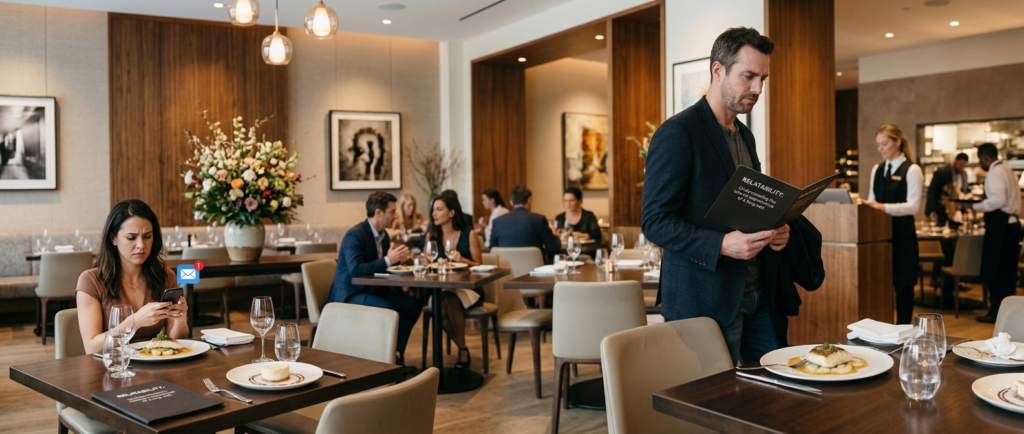
A customer walks into your restaurant.They order food, eat their meal, pay the bill and leave. Maybe they even say, “Everything was great.”
But then something happens. They never come back.
No complaint. No bad review. No warning.
They simply choose another restaurant next time.
This is one of the hardest problems for a restaurant manager to identify because a customer who doesn’t return usually doesn’t tell you why.
The good news is that customers rarely stop coming back for just one reason.
Most of the time, it is a combination of small experiences that gradually changes their perception of your restaurant.
Here are 10 common reasons customers don’t come back—and what restaurant managers can do about them.
1. The Food Was Good Once, But Not Consistent
Consistency is one of the most important things in the restaurant business.
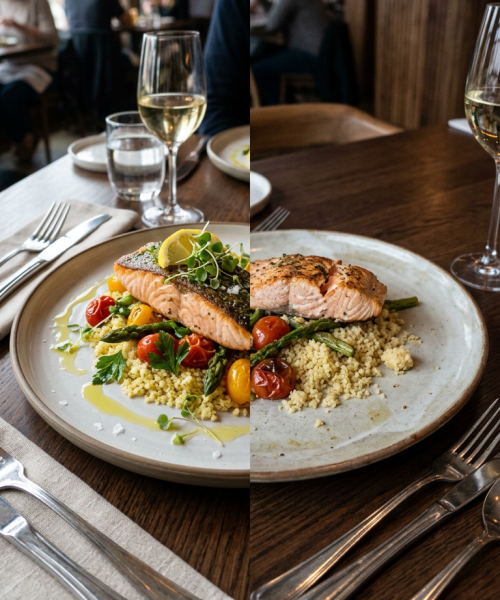
A customer may have an excellent dish on their first visit.
They return a few weeks later and the same dish tastes different.
Maybe:
The portion is smaller
The food is less flavorful
The presentation has changed
The dish is overcooked
The sauce tastes different
The food isn’t served at the right temperature
From the restaurant’s perspective, it may seem like a small difference.
From the customer’s perspective:
“It wasn’t as good as last time.”
Customers don’t expect every visit to be identical, but they do expect a reasonably consistent experience.
Manager’s takeaway
Recipes, portion sizes, cooking procedures and presentation standards should not depend entirely on who happens to be working that day.
Consistency builds trust.
2. Service Was Too Slow
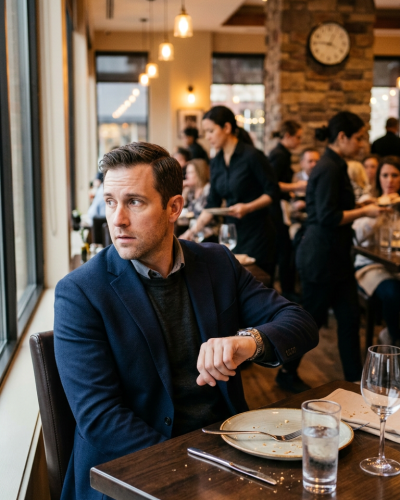
Good food can compensate the poor service but not always.
Customers notice the time they spend:
Waiting to be greeted
Waiting for menus
Waiting to place an order
Waiting for drinks
Waiting for food
Waiting for the bill
And the frustrating part is that customers don’t always know
why
the service is slow.
They simply experience the wait.
A restaurant can be extremely busy, but customers are generally more understanding when staff communicate with them.
A simple:
“I’m sorry for the wait. We’re running a little behind, but your order is being prepared.”
can feel very different from being ignored.
Manager’s takeaway
Don’t only monitor how long food takes.
Watch the entire customer journey from arrival to payment.
3. The Staff Made Them Feel Unwelcome
A restaurant can have excellent food and still lose customers because of staff behavior.
Customers remember how they were treated. A server who looks annoyed. Someone who doesn’t acknowledge a guest.
A staff member arguing with another employee in front of customers. A manager who seems too busy to listen.
These things may take only a few seconds, but they influence the entire experience. And customers don’t always complain about it.
They simply decide:
“I’ll go somewhere else next time.”
Manager’s takeaway
Train staff not only on what to do, but also on how the customer should feel.
4. The Restaurant Wasn't Clean Enough
Customers may forgive a slightly longer wait.
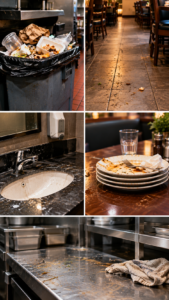
They are much less forgiving when they see something that makes them question cleanliness. Think about:
- Dirty tables
- Sticky menus
- Dirty washrooms
- Full garbage bins
- Food on the floor
- Smudged glasses
- Dirty highchairs
- Unclean entrance areas
Customers don’t know your cleaning schedule.
They judge what they can see.
And one dirty washroom can make a customer question the cleanliness of the kitchen—even if your kitchen is spotless.
Manager’s takeaway
Don’t inspect cleanliness only before opening.
Walk through the restaurant during service.
That’s when problems become visible.
5. The Customer Didn't Feel They Got Value for Money
Price isn’t always the problem. Perceived value is.
A customer may happily pay $30 for a meal if the food, portion, service and overall experience feel worth $30.
But a $20 meal can feel expensive if:
The portion is too small
The food quality is poor
Service is slow
Extra charges aren’t explained
The experience doesn’t match expectations
Customers compare your restaurant with alternatives—not only by price, but by the overall experience they receive for that price.
Manager’s takeaway
Don’t ask only:
“Are our prices competitive?”
Also ask:
“Does the customer feel they received good value?”

6. Something Went Wrong—and Nobody Fixed It
Mistakes happen in every restaurant.
The wrong dish comes out.
A drink is forgotten.
Food takes too long.
A side is missing.
A customer receives something they didn’t order.
The mistake itself doesn’t necessarily mean you’ve lost the customer.
How you handle the mistake can determine whether they return.
A genuine apology, quick solution and some personal attention can completely change the customer’sperception.
But ignoring the problem can turn a small mistake into a reason never to return.
Manager’s takeaway
Don’t teach staff to hide mistakes.
Teach them to recognize, communicate and resolve them quickly.
7. The Experience Was Inconsistent
Imagine visiting a restaurant on Saturday and having an amazing experience. You return the following week and find :
The server is different.
The portion is different.
The food takes longer.
The music is different.
The restaurant feels disorganized.
Nothing is terrible individually. But the overall experience isn’t the same.
Restaurants often focus heavily on consistency in recipes while forgetting that the entire guest experience needs consistency.
That includes:
Food
Service
Cleanliness
Portion sizes
Presentation
Atmosphere
Speed
Communication
Manager’s takeaway
Your customer shouldn’t feel like they are visiting a completely different restaurant depending on the shift.
8. Nobody Paid Attention to the Small Things

Sometimes customers don’t leave because of one big problem.
They leave because of ten small things.
The table wasn’t cleared quickly.
The water wasn’t refilled.
There was no cutlery.
The customer had to ask twice for something.
The server never checked back.
The washroom needed attention.
The bill took too long.
Individually, these seem minor. Together, they create an experience that feels careless.
And that’s why restaurant managers should develop an eye for small details.
Manager’s takeaway
Walk through your restaurant as if you were the customer.
Don’t ask:
“Does everything look okay?”
Ask:
“What would annoy me if I were sitting here?”
9. The Restaurant Didn't Give Them a Reason to Return
Good food gets customers through the door.
But sometimes good food alone isn’t enough to create loyalty.
Customers may need a reason to think:
“Let’s go there again.”
That reason could be:
A favorite dish
Great service
A memorable experience
A special offer
A loyalty program
A seasonal menu
A staff member who remembers them
Something unique about the restaurant
You don’t necessarily need a complicated loyalty program.
Sometimes simply remembering a regular customer’s name or favorite drink can make a huge difference.
Manager’s takeaway
Don’t focus only on getting customers today. Think about what will make them choose you next time.
10. You Never Asked Why They Didn't Return
This may be the biggest problem of all.
Restaurant managers often look at:
Sales.
But sales tell you what happened.
They don’t always tell you why a customer may stop visiting because of:
- Price
- Food quality
- Service
- Cleanliness
- Long waiting times
- A bad experience
- A competitor
- A change in their habits
And unless you ask customers or monitor feedback carefully, you may never know. Look at your:
Google reviews
Online comments
Customer complaints
Feedback forms
Repeat customer patterns
Reservation history
Staff observations
Look for patterns.
One complaint may be an isolated incident.
Five customers mentioning the same problem is a management signal.
Final Thought
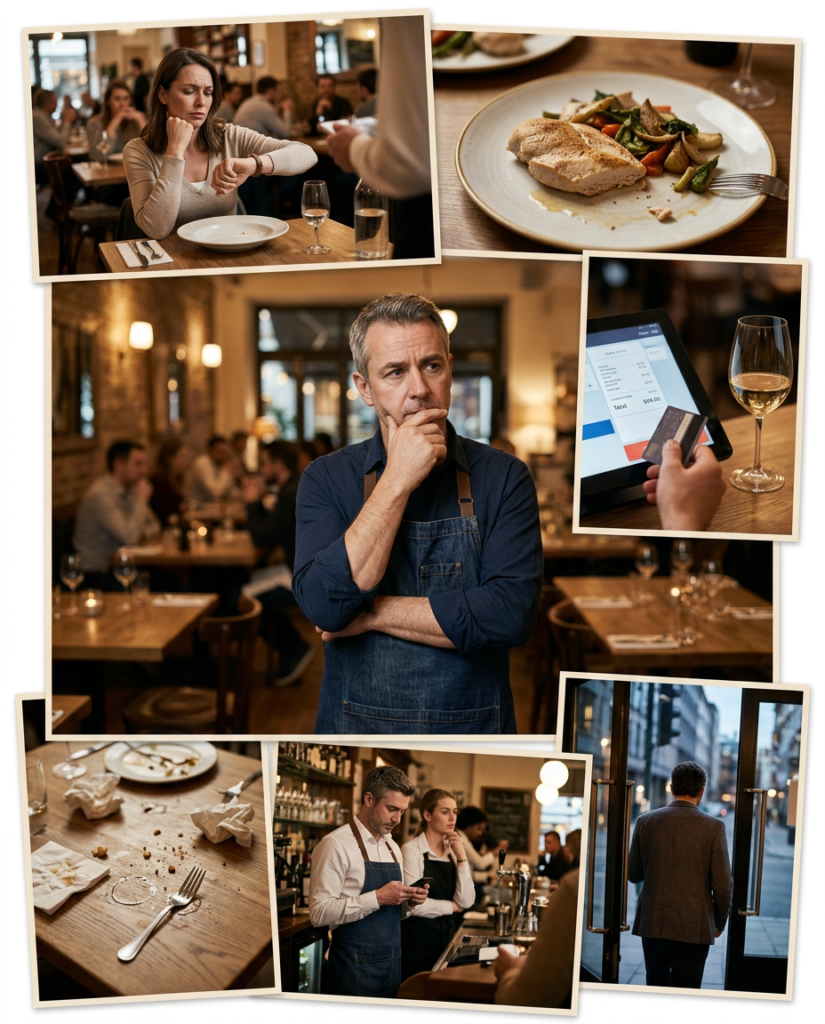
A restaurant doesn’t lose a customer only when something goes terribly wrong.
Sometimes it happens quietly.
A slow service here.
An inconsistent dish there.
A staff member who wasn’t friendly.
A dirty table.
A disappointing portion.
A problem that wasn’t handled properly.
None of these may seem big enough to lose a customer.
But together, they can change the customer’s answer from:
“Let’s come back.”
to:
“Let’s try somewhere else.”
The best restaurant managers don’t wait for customers to complain. They constantly look at the experience from the customer’s side—and fix the small problems before customers decide to leave for good.