
10 Essential Tips to Maintain Cleanliness in a Restaurant Kitchen
Maintaining cleanliness in a restaurant kitchen is essential for food safety, smooth operations, and passing health inspections with confidence. A clean and well-organized commercial kitchen reduces contamination risks, improves staff efficiency, and ensures every meal is prepared in a hygienic environment. In this guide, we share 10 practical tips and best practices to help you keep your restaurant kitchen spotless, compliant, and running at professional standards.
You can check my HACCP article to dig it deep and find out the international standard in Food Safety.
1. Create a Daily, Weekly & Monthly Cleaning Schedule
2. Follow Strict Food Safety & Hygiene Practices
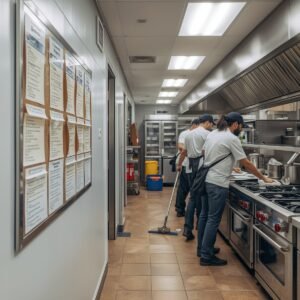
A structured restaurant kitchen cleaning schedule ensures no task is missed. Read more..in details
-
Clean and sanitize prep tables after every use
-
Sweep and mop floors at least twice a day
-
Deep-clean exhaust hoods and vents every month
-
Document cleaning tasks for staff accountability
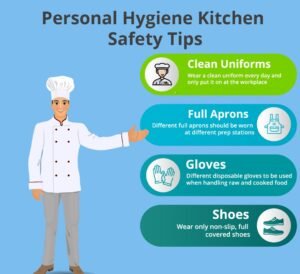
Healthy food begins with proper hygiene.
Require all staff to wash hands frequently
Use gloves when handling ready-to-eat foods
Store raw and cooked foods separately
Maintain the correct fridge and freezer temperatures
3. Use Commercial-Grade Cleaning Products
4. Train Kitchen Staff on Proper Cleaning Techniques
Professional products ensure deep cleaning in restaurant kitchens.
Use degreasers for stovetops and fryers
Sanitize high-touch areas with food-safe disinfectants
Clean stainless steel surfaces with non-abrasive cleaners
Your employees are the key to a clean restaurant kitchen.
Offer regular cleaning workshops
Teach staff how to sanitize equipment properly
Implement “clean-as-you-go” habits
5. Keep Kitchen Equipment Sanitized and Well-Maintained
6. Ensure Proper Waste Management
Dirty or poorly maintained equipment can spread bacteria.
Clean ovens, grills, fryers, and refrigerators daily
Descale dishwashers and sanitize them regularly
Replace cleaning tools (sponges, cloths) often
Effective waste control keeps pests away and reduces bad odors.
Empty trash bins frequently
Use sealed bins with liners
Arrange professional pest control services monthly
7. Control Cross-Contamination Risks
8. Conduct Regular Kitchen Audits
Preventing cross-contamination is a major part of kitchen hygiene standards.
Color-code cutting boards
Clean utensils after every use
Separate raw meat prep areas from vegetable stations
Regular inspections help maintain long-term cleanliness.
Inspect hard-to-reach areas
Review staff cleaning performance
Prepare for local health inspections
9. Maintain Proper Ventilation
10. Encourage a Clean Culture
Clean air improves the environment and prevents grease buildup.
Clean filters every week
Schedule professional duct cleaning
Keep windows or exhaust systems running during peak hours
Cleanliness must be part of your brand.
Reward staff for maintaining hygiene
Place reminders in the kitchen
Lead by example and enforce standards
Maintaining a clean and organized restaurant kitchen is essential for food safety, efficiency, and customer trust. By following the above restaurant kitchen cleaning tips, you can create a safe working environment and significantly improve your rankings when customers search for clean, reliable dining options.