
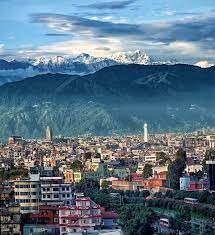

Hilton Hotel Kanthmandu found itself embroiled in controversy on 9th Sept’25 after a group of passionate Gen Z activists voiced their outrage against the luxury brand. The Hilton Hotel Kathmandu protest focused on environmental sustainability, cultural preservation, and community rights, sparking widespread debate about the role of global hospitality chains in Nepal’s tourism industry. As the discussion intensifies, it’s important to examine the broader context of Nepal’s tourism history, the future of the industry, and Hilton’s contribution to the capital’s evolving landscape
Nepal’s tourism story is deeply intertwined with its rich cultural heritage and natural beauty. From the moment Sir Edmund Hillary and Tenzing Norgay made their historic ascent of Mount Everest in 1953, Nepal has drawn adventure-seekers, trekkers, and explorers from around the world. Tourism quickly became a cornerstone of Nepal’s economy, contributing significantly to the country’s GDP and providing employment to thousands of locals.
The 1990s saw a boom in adventure tourism, especially in the trekking and mountaineering sectors, with iconic destinations like the Annapurna Circuit and the Langtang Valley attracting global attention. Kathmandu, the capital, with its centuries-old temples, shrines, and vibrant culture, became a major hub for international travelers. However, as the industry expanded, so did concerns over environmental degradation, unsustainable practices, and the displacement of indigenous communities in the name of “development


Hilton first entered Nepal’s hospitality scene with the opening of Hilton Kathmandu in the early 2000s. The brand’s presence in the city marked a significant step in bringing global luxury to Nepal, which had largely been dominated by smaller, locally-owned hotels and guesthouses. As an international hospitality giant, Hilton brought with it global standards of service, luxury, and infrastructure, catering to an increasingly affluent clientele.
Over the years, Hilton Kathmandu has played a key role in attracting high-end tourists, business travelers, and international conferences to the city. The hotel offers world-class amenities, including upscale dining options, spa services, and event spaces that have helped position Kathmandu as a destination for luxury tourism. The Hilton brand has also contributed to the local economy by creating jobs and supporting Nepal’s growing tourism infrastructure.
However, as the Gen Z movement calls for more accountability from global brands, Hilton has become a focal point of criticism, particularly in relation to its environmental practices, pricing strategies, and its overall impact on the local culture and economy.


The Gen Z movement that took to the streets last week in Kathmandu is part of a growing global push for sustainability and ethical business practices. This demographic, more socially aware and environmentally conscious than previous generations, is demanding that large corporations, especially in the tourism and hospitality sectors, take a more responsible approach to their operations. Key points of contention raised by the activists include:
- Environmental Sustainability: Kathmandu, like many other cities in the Himalayas, is grappling with environmental challenges, including air pollution, waste management issues, and the adverse effects of over-tourism. Hilton, being a large-scale international hotel chain, has been accused of contributing to the city’s environmental degradation through high resource consumption, waste generation, and energy inefficiency.
2. Cultural Impact: Activists argue that international hotel chains like Hilton may inadvertently erode Nepal’s rich cultural heritage. The concern is that the influx of luxury tourism, while bringing economic benefits, also shifts the focus away from authentic, locally-rooted experiences in favor of globalized, cookie-cutter hotel experiences. This may lead to the commercialization and dilution of Nepal’s unique cultural identity.
3. Economic Inequality: While luxury tourism brings in revenue, many activists feel it primarily benefits foreign-owned businesses and high-end tourists, rather than the local population. Critics argue that the profits from these large international chains don’t adequately circulate within the local community and instead reinforce economic inequality.
The Future of Tourism in Nepal
Despite the criticisms, tourism in Nepal remains a vital part of the country’s economy. However, the future of the industry will depend on how stakeholders—government, local communities, international brands like Hilton, and tourists—adapt to the evolving demands for sustainability, cultural preservation, and inclusivity.
Sustainable Tourism: Nepal is at a crossroads when it comes to balancing the need for economic growth with environmental sustainability. The government has already made strides in promoting eco-tourism, including eco-friendly trekking routes and policies that prioritize the preservation of natural resources. As the global tourism industry shifts toward sustainability, Nepal has a unique opportunity to position itself as a leader in responsible tourism.
Community-Centric Development: Moving forward, the challenge will be ensuring that tourism benefits local communities directly. Nepal’s indigenous cultures, rural populations, and small businesses must be integrated into the tourism model. This can include promoting locally-owned hotels, restaurants, and tours, while also encouraging large hotel chains like Hilton to invest in community-based programs that empower local people.
Experiential Travel: As travelers seek more authentic and meaningful experiences, there is a growing trend toward “experiential tourism.” This could mean a shift away from mass tourism toward more immersive, culturally sensitive travel options. Nepal, with its diverse traditions, landscapes, and heritage, is perfectly positioned to cater to this trend.
Hilton Hotel Kathmandu’s Response to the Criticism
In response to the criticisms levied by the Gen Z movement, Hilton Kathmandu issued a statement emphasizing its commitment to sustainability. The hotel has already implemented several eco-friendly practices, such as energy-efficient lighting, water conservation measures, and waste-reduction programs. However, it is clear that more needs to be done to meet the growing expectations of the local population and environmentally-conscious travelers.
Hilton, like many international brands, is likely to face increasing pressure to innovate and improve its operations. This includes investing in cleaner technologies, reducing its carbon footprint, and fostering stronger relationships with local communities.
Conclusion: A Balancing Act for Nepal’s Tourism Industry
The controversy surrounding Hilton Hotel Kathmandu and the Gen Z movement serves as a wake-up call for the tourism industry in Nepal and beyond. While luxury tourism and global brands like Hilton undoubtedly contribute to the economic growth of the region, the future of the industry depends on its ability to evolve and align with the values of sustainability, cultural preservation, and social responsibility.
For Nepal, the road ahead involves finding a delicate balance between economic growth and preserving what makes the country unique—its landscapes, culture, and the well-being of its people. Only time will tell how the tourism industry responds to the call for change, but one thing is certain: the next generation of travelers is demanding more than just a vacation; they are demanding a better, more sustainable future for the places they visit.